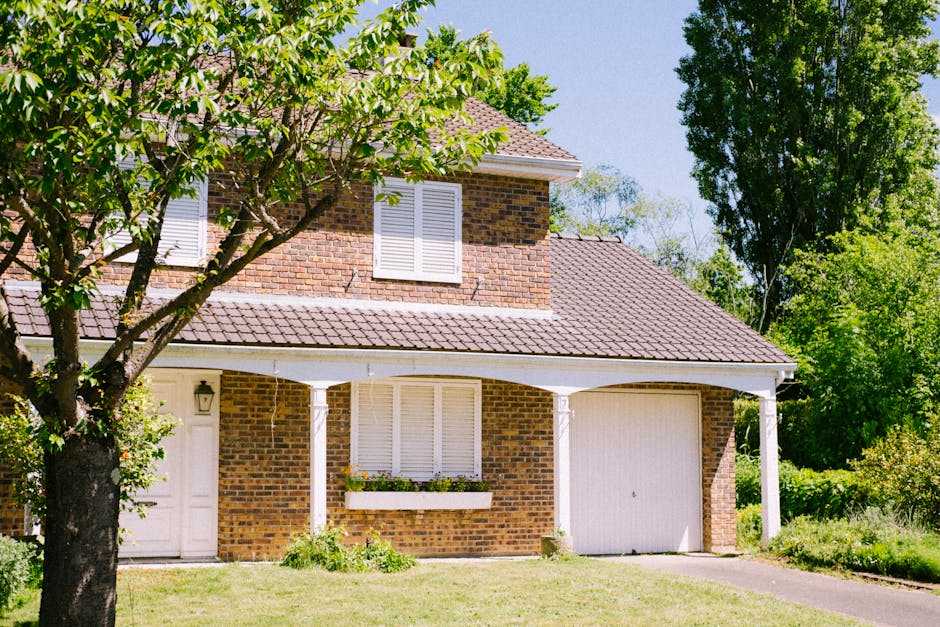
Lambeth council permits for driveway and facade cleaning
If you are planning to freshen up a driveway or restore a tired-looking facade in Lambeth, the cleaning job itself is only half the story. The other half is making sure you are allowed to do the work properly, safely, and without creating a mess that ends up in a drain, on the pavement, or in a neighbour's complaint inbox. That is where Lambeth council permits for driveway and facade cleaning become relevant. In practice, the question is not just "Can I clean it?" but "What permissions, safeguards, and working methods are sensible before the first jet of water hits the wall?"
This guide breaks the topic down in plain English. You will see how permits and permissions can come into play, why they matter, what common risks to watch for, and how to plan a compliant cleaning job without turning a straightforward maintenance task into a stressful one.
For readers who also need a wider view of service standards and company information, it can help to look at the business background on the site's about us page, plus practical policies such as health and safety and insurance and safety. Those pages do not replace council guidance, of course, but they do show the kind of diligence you should expect from any professional cleaner working in a busy London borough.
Table of Contents
- Why Lambeth council permits for driveway and facade cleaning Matters
- How Lambeth council permits for driveway and facade cleaning Works
- Key Benefits and Practical Advantages
- Who This Is For and When It Makes Sense
- Step-by-Step Guidance
- Expert Tips for Better Results
- Common Mistakes to Avoid
- Tools, Resources and Recommendations
- Law, Compliance, Standards, or Best Practice
- Options, Methods, or Comparison Table
- Case Study or Real-World Example
- Practical Checklist
- Conclusion
- Frequently Asked Questions
Why Lambeth council permits for driveway and facade cleaning Matters
Driveway cleaning and facade cleaning look simple from the pavement. They are not always simple in practice. Water pressure, detergent choice, wastewater runoff, access equipment, and temporary obstruction of footpaths or parking spaces can all create issues if the job is not planned correctly. In a borough like Lambeth, where roads can be busy, frontages are close together, and people walk past every minute, those issues become more than minor details.
The main reason permits matter is that work on a domestic or commercial frontage can affect public space. A contractor may need to think about access, vehicle positioning, possible overspray, pedestrian safety, waste water management, and whether any part of the job encroaches on the highway. If the cleaning involves scaffolding, a cherry picker, ladders in a public area, or a skip for waste, the permission question becomes even more important.
There is also a neighbourly side to this. Nobody enjoys splashes of dirty water across a shared path, especially at 8am on a rainy Tuesday. A proper permit and planning process helps reduce friction and shows respect for the people living and working around the property. That is the kind of thing that sounds small until it goes wrong.
Expert takeaway: the permit conversation is less about bureaucracy for its own sake and more about preventing avoidable disruption, unsafe working, and complaints. Good planning usually saves time in the end.
For landlords, managing agents, and small business owners, the stakes can be higher. A facade clean can improve the appearance of a building in a single afternoon, but if it causes staining, blocked drains, or unsafe access, the cost of fixing the problem can outweigh the benefit. That is why permit checks and method planning should happen before the cleaning team arrives, not during the job.
How Lambeth council permits for driveway and facade cleaning Works
The exact permission needed depends on the site, the access, and the working method. In many cases, you are not applying for a "cleaning permit" as such. Instead, you may need approval or coordination for the part of the job that uses public space or affects safety. That could involve temporary parking arrangements, scaffold permissions, pavement obstruction control, or other local requirements tied to the work setup.
Think of it this way: the cleaning itself is the service, but the permit relates to how the service is delivered. If the team can complete the job entirely within private land, with no obstruction and no public impact, the process may be straightforward. If, however, water run-off could reach the highway, equipment needs to sit on the pavement, or a frontage is too high to clean safely from the ground, then permission and control measures become much more relevant.
A practical example helps. A terraced house in Lambeth might need driveway pressure cleaning at the front, but the only safe position for the machine and water supply is on the road edge. That raises questions about parking, cones, pedestrian safety, and where the wastewater goes. A low-rise shopfront, meanwhile, may have a facade that requires access equipment above the pavement. The work can still be done, but the job setup has to respect the street around it.
Professional providers usually handle this by assessing the site first, identifying whether any part of the work uses public land, and then planning the job accordingly. That might mean altering the cleaning method, using lower pressure, collecting runoff, scheduling at quieter times, or advising the customer on what permissions are sensible to check.
If you are comparing providers, it is worth looking at how they explain job planning and quoting. The site's pricing and quotes information can be a useful starting point because transparent pricing often goes hand in hand with better scope control. If a company is vague about access, waste water, or safety, that is usually a little red flag. Nothing dramatic. Just enough to pause and ask more questions.
Key Benefits and Practical Advantages
When the permit and planning side is handled properly, the cleaning job gets much easier to manage. The benefits are practical rather than glamorous, but that is usually what matters most.
- Less disruption: clear access plans reduce hassle for neighbours, pedestrians, and the household.
- Lower risk of damage: careful control of pressure and runoff helps protect brickwork, render, paving, and pointing.
- Better compliance: you are less likely to create an issue with highways, drainage, or obstruction rules.
- Cleaner results: proper method selection usually produces a more even finish and fewer streaks.
- Better customer confidence: homeowners and businesses feel more comfortable when the process is explained clearly.
- Fewer last-minute surprises: if access or permissions are clarified in advance, jobs tend to run on time. Mostly. Well, as much as any London job does.
There is another benefit people sometimes miss: better communication. A contractor who talks sensibly about permits, site conditions, and safety often turns out to be more reliable in other parts of the job too. They are likely to think about detergent choice, water management, and aftercare, not just about making the surface look brighter in the moment.
For property owners who care about the wider upkeep of the home, this matters because exterior cleaning usually sits alongside interior maintenance. A well-kept driveway and facade can be part of a broader refresh that may also include carpet cleaning, upholstery cleaning, or even steam carpet cleaning after building work or outdoor renovation dust. Small improvements can add up quickly.
Who This Is For and When It Makes Sense
This topic is not only for big commercial buildings. In fact, many of the most common cases are ordinary homes and small premises. If you have ever looked at a stained driveway and thought, "I'll just get someone in to sort that out," you are exactly the sort of person who should think through permissions before booking.
Lambeth council permits for driveway and facade cleaning are most relevant for:
- homeowners with front drives, forecourts, or rendered facades close to the pavement
- landlords preparing a property for tenants or inspection
- managing agents arranging external maintenance for flats or mixed-use buildings
- shop owners and cafe operators cleaning ground-floor frontages
- office or commercial property managers coordinating periodic exterior cleans
- builders or decorators who want a final wash-down after works
It also makes sense when the cleaning method is more intrusive than a simple bucket-and-brush job. For instance, a soft wash on render may need chemical control and rinse management, while pressure washing on block paving can send water and debris into the street if it is not properly contained. Facades with delicate finishes, older mortar, or decorative stonework need extra care. The wrong method can do more harm than the dirt itself. Bit of an awkward truth, but there it is.
If the property has pets, elderly residents, or frequent foot traffic, planning becomes even more important. Wet surfaces are slippery, and strong-smelling products are not always welcome. For that reason, some customers also ask about pet stain and odour removal or stain removal in related cleaning visits, especially if exterior mess is part of a larger household refresh.
Step-by-Step Guidance
The safest way to approach a driveway or facade clean in Lambeth is to treat it like a small project rather than a quick spray-and-go job. Here is a sensible process.
- Inspect the site carefully. Look at surface type, access points, drainage, nearby vehicles, footpaths, and any overhead obstacles.
- Decide whether public space is involved. If equipment, waste water, or access gear may affect the pavement or road, permissions may need checking.
- Choose the right cleaning method. High pressure is not always best. On some surfaces, soft washing or low-pressure rinsing is safer.
- Plan water and runoff control. Avoid sending dirty water into drains unless the setup is appropriate and safe. This part matters more than people think.
- Confirm timing and neighbours. A little notice can prevent hassle, especially in tighter streets or terraced rows.
- Prepare the area. Move vehicles, cover vulnerable items, and secure access routes.
- Carry out the cleaning in stages. Test a small patch first. Check how the surface reacts before doing the full area.
- Inspect the result and tidy up. Make sure residue, moss, or slurry is removed from edges and paths.
A useful rule of thumb: if the job seems simple but the access looks awkward, assume the permit or compliance side deserves extra attention. That sounds obvious, I know. Yet it is usually the overlooked part that creates the mess.
For customers who want a broader service package or have connected maintenance needs, it can help to review the company's commercial carpet cleaning and rug cleaning options as well. Exterior and interior work are often scheduled together, especially for end-of-tenancy or business presentation jobs.
Expert Tips for Better Results
After many site assessments, one pattern comes up again and again: the best exterior cleaning jobs look calm. No rushing, no overspray, no chaos, no "we'll deal with the puddles later." Calm jobs usually begin with calm planning.
- Start with the gentlest method that can do the job. On facades, harsh pressure can damage render, old brick, or sealants.
- Use test patches. Every surface ages differently, even on the same street.
- Watch the weather. A cold, damp morning may slow drying and make slip risk worse. A windy afternoon can spread mist and debris.
- Protect openings. Doors, air vents, and windows deserve attention before water starts moving.
- Manage edges carefully. The perimeter of a driveway or facade often shows the worst residue if the job is rushed.
- Work from top to bottom. It sounds basic, but it prevents re-soiling.
- Consider aftercare. A sealant may help some driveways, though it is not always necessary or suitable.
Here is a small but important detail: the best teams tend to talk about what they will not do, as well as what they will do. For example, they might explain that a certain finish is too fragile for aggressive cleaning, or that the facade should be treated in sections to avoid streaking. That kind of restraint is a good sign. Honestly, it's reassuring.
If you are comparing standards across a service provider, the company's recycling and sustainability information can also be useful. Exterior cleaning creates waste water, packaging, and sometimes removed grime or moss. A careful operator should think about disposal and environmental impact, not just the end result in the before-and-after photo.
Common Mistakes to Avoid
Most problems with driveway or facade cleaning are preventable. That is the slightly annoying part. They are preventable, but they still happen because people are in a hurry.
- Assuming no permission is needed. If public space is affected, that assumption can backfire quickly.
- Using too much pressure. This can strip pointing, etch stone, and drive grime deeper into cracks.
- Ignoring runoff. Dirty water can spread into gutters, drains, or neighbouring property areas.
- Skipping a site survey. A quick look is not always enough. Access and risk should be checked properly.
- Booking on price alone. The cheapest quote may not include the level of planning or protection the job needs.
- Overlooking surface type. Brick, render, concrete, and natural stone all respond differently.
- Failing to communicate with neighbours. This is especially important in close terraces or flats where shared access matters.
A common real-world scenario is a homeowner booking a pressure wash for a front drive, only to realise on the day that the nearest parking bay is occupied, the hose needs to cross the path, and the wastewater is heading toward the kerb faster than expected. Nobody is thrilled. A bit of planning at the start would have prevented the headache.
Another mistake is confusing "looks clean enough" with "has been cleaned safely." A surface can look fine while still holding residue, damp patches, or hidden damage. It is better to inspect carefully and go slowly than to race through and hope for the best.
Tools, Resources and Recommendations
The right tools depend on the surface and the job scope, but a thoughtful cleaner will usually think in terms of control rather than brute force. That means equipment for measuring, protecting, rinsing, and cleaning in a way that reduces risk.
| Method | Best For | Main Benefit | Watch Out For |
|---|---|---|---|
| High-pressure washing | Some concrete, hard paving, robust driveways | Fast removal of surface dirt | Can damage fragile surfaces or force water into joints |
| Soft washing | Render, cladding, delicate facades | Gentler on finishes | Requires careful chemical handling and dwell time |
| Low-pressure rinse and agitation | Mixed exterior surfaces, lightly soiled areas | Controlled cleaning with less splash | May need more time and manual effort |
| Targeted spot treatment | Algae, oil marks, local stains | Efficient for isolated issues | Can leave patchiness if not blended properly |
For homeowners, the most useful "resource" is often a decent conversation before the job begins. Ask how the contractor plans to protect the surface, manage water, and deal with access. Ask whether they anticipate any permit or permission issues. The answers should sound practical, not vague. If someone shrugs and says, "We'll sort it on the day," that may be fine for some low-risk jobs, but it is not ideal when the street or facade is involved.
There is also a trust angle here. Policies matter. A provider that publishes clear terms and conditions, payment and security information, and a sensible complaints procedure is generally showing that it expects to work professionally and stand behind its service. That does not guarantee perfection. Nothing does. But it is a much better starting point than silence.
Law, Compliance, Standards, or Best Practice
This is the section where people usually want a crisp rule. The honest answer is that compliance can depend on the exact site setup, the method used, and whether the work affects public space. So rather than forcing a fake certainty, the safest approach is to treat the job as one that may touch several areas of good practice: highway safety, waste water control, safe use of equipment, and care for neighbouring property.
Best practice in this kind of work usually includes the following:
- checking whether the job uses the pavement, road, or a shared access route
- avoiding unsafe obstructions and leaving clear pedestrian routes where possible
- using suitable barriers, signage, or time planning when access is tight
- controlling runoff so contaminated water does not spread unpredictably
- choosing cleaning agents and pressures appropriate to the material
- ensuring operatives are insured and trained for the job
If the work involves a larger commercial frontage, the standard of care should be even higher. A business premises creates more foot traffic, more reputational risk, and a greater need to coordinate around opening hours. That is one reason why many customers prefer providers who can explain safety measures clearly and who keep their paperwork tidy. It sounds dull, but tidy paperwork usually comes with tidy work.
For further reassurance, it helps when a provider is transparent about matters such as accessibility, data handling, and public-facing policies. None of those pages are a substitute for local permissions, but together they signal an organised business rather than a casual operator.
Options, Methods, or Comparison Table
If you are deciding how to approach the work, the main choice is usually between a quick cosmetic clean and a more controlled professional clean. They are not the same thing. Not even close, sometimes.
| Approach | Pros | Cons | Best Use Case |
|---|---|---|---|
| DIY pressure wash | Lower upfront spend, immediate control over timing | Higher risk of damage, runoff issues, and uneven results | Simple, hardy paving with easy access |
| Professional driveway clean | Better surface assessment, safer method choice, cleaner finish | Higher initial cost than DIY | Most homes, especially where access or drainage is awkward |
| Professional facade soft wash | Gentler on render and masonry, more controlled application | Can take longer; may require careful scheduling | Rendered homes, older brickwork, commercial frontages |
| Mixed exterior maintenance visit | Efficient for full property refresh | Requires more coordination and planning | End-of-tenancy, property sale, or seasonal maintenance |
In many cases, the more complex the surface and access, the more valuable professional planning becomes. A straightforward patio clean is one thing. A facade above a shopfront on a busy Lambeth street is another. Truth be told, the second job rewards experience far more than enthusiasm.
Case Study or Real-World Example
Picture a small Victorian terrace near a main road in Lambeth. The owner wants the driveway cleaned after months of leaf staining and winter grime. The facade also has a patchy layer of soot and damp marks near the lower brickwork. Nothing extreme, just enough to make the house look a bit tired.
At first glance, the job seems simple. But once the site is inspected, a few things become clear: the front path is narrow, there is no private space for equipment, the nearest parking bay is on-street, and the front wall is older than the driveway surface. Pressure alone would be risky. Water could run toward the pavement, and there is a chance of disturbing old mortar if the facade is attacked too aggressively.
The cleaner's solution is to reduce pressure, work in sections, protect the surrounding area, and keep the homeowner informed about timing. In practice, the job takes a little longer than expected, but the result is cleaner, safer, and less stressful. The driveway looks brighter, the facade is noticeably fresher, and the owner avoids the common "quick job, expensive problem" scenario.
What made the difference? Not magic. Just planning, a decent eye for risk, and respect for the property and the street around it. That is usually what good exterior cleaning comes down to.
Practical Checklist
Use this quick checklist before booking or starting driveway or facade cleaning in Lambeth:
- Have I checked whether the work affects pavement, road space, or shared access?
- Do I know what surface I am cleaning and how delicate it is?
- Has runoff been considered, especially near drains or neighbouring boundaries?
- Do I need cones, barriers, or temporary access planning?
- Has the contractor explained the cleaning method clearly?
- Are insurance, safety, and complaint procedures easy to find?
- Have I asked whether the job could damage render, mortar, sealant, or paving joints?
- Have neighbours, tenants, or building users been given sensible notice?
- Is the quote clear about scope, access, and any extra work?
- Do I have a realistic idea of timing and drying conditions?
If you can tick most of those off, you are in much better shape. If not, slow down a touch and ask more questions. That little pause often saves more time than it costs.
Conclusion
Lambeth council permits for driveway and facade cleaning are really about planning the job properly so the cleaning is safe, respectful, and suited to the street or property involved. Sometimes the answer is simple. Sometimes there are access, highway, or runoff details to check before work starts. Either way, the smart move is to think ahead rather than deal with problems after the surface is already wet.
If you want a clean finish without the usual headaches, look for clear communication, sensible site assessment, and a contractor who understands that good exterior cleaning is as much about control as it is about appearance. That mindset keeps properties looking sharp and helps everyone sleep a bit easier afterwards.
Get a free quote today and see how much you can save.
And if you are still weighing up the right approach, take your time. A careful job has a way of paying you back every time you walk up the path and see the place looking properly looked after.
Frequently Asked Questions
Do I always need a council permit for driveway cleaning in Lambeth?
Not always. If the cleaning stays entirely within private land and does not affect public space, a specific permit may not be needed. If the job uses the pavement, road, shared access, or creates an obstruction or runoff issue, permission and planning become much more relevant.
What about facade cleaning on a house or shopfront?
Facade cleaning can involve different access and safety issues, especially if equipment is needed above ground level or on the pavement. That is why it is worth checking whether the setup affects public space or requires extra coordination.
Is pressure washing safe for all driveways?
No. Pressure washing works well on some hard surfaces, but it can damage older paving, loose joints, delicate stone, or worn pointing. A good cleaner will adjust the method rather than forcing high pressure everywhere.
Can dirty water from cleaning go into drains?
It depends on the type of water, the cleaning materials used, and the setup. Runoff should be managed carefully so it does not create pollution or nuisance. In many cases, controlled collection or low-impact methods are better than letting slurry run freely.
How do I know if my facade needs soft washing instead of pressure washing?
If the surface is rendered, older, painted, or made of delicate masonry, soft washing may be the safer choice. It is usually better when the aim is to clean gently rather than blast dirt off the surface.
What should I ask a cleaner before booking?
Ask how they plan to protect the property, what method they will use, whether any permissions may be needed, and how they handle water runoff. Those questions tell you a lot about their approach.
Does the cheapest quote usually offer the best value?
Not necessarily. A low quote can be fine for a simple job, but if it skips site assessment, safety planning, or appropriate methods, the true cost may be higher later. Value comes from doing the job properly the first time.
How long does driveway or facade cleaning usually take?
That varies widely depending on the surface, access, size, and how much preparation is needed. A small driveway may be relatively quick, while a frontage with delicate materials or tighter access can take much longer.
Can exterior cleaning affect neighbours?
Yes, especially if water splashes, access is shared, or the work happens close to boundary lines. A bit of notice and a controlled method usually prevents most problems.
What if the property is a rental or managed building?
Then it is worth checking who has authority to approve the work and whether the managing agent or landlord needs to be involved. In larger buildings, access and timing can be just as important as the cleaning itself.
Are there other cleaning services worth combining with exterior work?
Often, yes. Many people pair exterior cleaning with interior refresh work such as sofa cleaning, mattress cleaning, or curtain cleaning, especially during a full property clean or move.
Where can I check company policies before booking?
Look for clear pages on safety, insurance, payment, privacy, and complaints. On this site, useful starting points include insurance and safety, payment and security, and terms and conditions. Those details help you judge how seriously a provider treats the job.