Mattress Cleaning: Fresh, Healthy, and Long-Lasting Sleep Care
Keeping your sleeping surface clean is one of the simplest ways to improve comfort, hygiene, and indoor air quality. Mattress cleaning is not just about making a bed look neat; it helps reduce dust, allergens, odors, sweat buildup, and stains that can affect sleep quality over time. Whether you are caring for a memory foam bed, a hybrid model, or a traditional spring mattress, regular mattress cleaning can make a meaningful difference in how your bedroom feels and functions.
Many people focus on changing sheets and washing blankets, but the mattress itself often gets overlooked. Because it sits beneath all your bedding and supports you night after night, it naturally collects body oils, dead skin cells, moisture, and microscopic debris. Over time, that buildup can lead to unpleasant smells and a less sanitary sleep environment. With the right mattress cleaning approach, you can extend the life of your bed and enjoy a cleaner place to rest.
Professional and DIY methods both play a role in mattress care. Some issues, like small dust deposits or light surface odor, can often be handled at home. Other problems, such as deep stains, persistent smells, mold concerns, or allergen buildup, may require a more advanced mattress cleaning process. Understanding when to clean, how to clean, and what products to use is the key to maintaining a fresh sleep surface for years.
Why Mattress Cleaning Matters

A clean mattress supports healthier sleep habits and a more pleasant bedroom environment. Since we spend a large portion of our lives in bed, the surface we sleep on should be as clean as possible. Mattress cleaning helps remove particles that can irritate the skin, trigger allergies, or create stale odors. It also helps reduce the chance of stains setting permanently into the fabric.
Dust mites are one of the most common reasons people invest in regular mattress cleaning. These tiny organisms thrive in warm, humid spaces and feed on dead skin cells. While they are invisible to the eye, they can affect people who are sensitive to allergens. Cleaning the mattress regularly helps limit the buildup of the materials dust mites depend on.
There is also a practical reason to clean mattresses often: longevity. A mattress that is properly maintained tends to keep its shape, smell fresher, and remain more comfortable for longer. By treating mattress cleaning as part of your routine home care, you protect both your health and your investment.
Common Problems That Mattress Cleaning Can Address
Different mattresses develop different issues depending on use, climate, and household habits. One of the most common concerns is staining, especially from sweat, spills, lotions, or accidental mishaps. Once stains settle deep into the fibers, they can be much harder to remove, which is why timely mattress cleaning matters.
Odor is another frequent issue. Body oils, moisture, pet dander, and general daily use can cause a bed to develop a stale smell. This is especially noticeable in rooms with limited airflow. Regular mattress cleaning can help neutralize those odors before they become difficult to manage.
Allergy symptoms may also point to a mattress that needs attention. If you wake up congested, itchy, or sneezing, the mattress could be harboring dust, pollen, or allergens. In many cases, a focused mattress cleaning routine can help reduce triggers and make the sleeping space more comfortable.
How Often Should You Clean a Mattress?
The ideal schedule for mattress cleaning depends on use, lifestyle, and household conditions. As a general rule, a light surface clean every few months is a good habit, while deeper cleaning can be done two to four times a year. Households with children, pets, allergies, or frequent spills may need more regular attention.
Bed linens should be washed weekly, but that alone is not enough. Even with clean sheets, moisture and debris can still reach the mattress surface. That is why a structured mattress cleaning schedule is important. It keeps buildup under control and prevents small issues from becoming larger problems.
Seasonal mattress cleaning is an excellent strategy. A deeper clean at the start of spring, summer, fall, and winter helps you stay ahead of dust and odor changes. If your bed is exposed to more humidity in warm months or extra dryness in cold months, adjusting your cleaning habits can be useful.
Step-by-Step Mattress Cleaning at Home
Home mattress cleaning is manageable when you follow a clear process. Start by stripping the bed completely and removing all linens, mattress protectors, pillows, and covers. This gives you full access to the surface and allows you to inspect the mattress for stains, odors, or dust.
Next, vacuum the mattress carefully using an upholstery attachment. Work slowly across the entire surface, including seams, edges, and crevices. Vacuuming is a foundational part of mattress cleaning because it removes loose debris before you apply any liquids or cleaning agents. It also helps prevent particles from settling deeper into the fabric.
After vacuuming, treat stains one by one rather than soaking the whole mattress. Spot cleaning is usually the safest and most effective method for most home mattress cleaning tasks. Use a small amount of suitable cleaner, blot gently, and allow the area to dry thoroughly before replacing bedding.
1. Remove Bedding and Inspect the Surface
Before applying any cleaner, examine the mattress closely. Look for discoloration, odors, damp areas, and wear patterns. Inspection is an important first step in mattress cleaning because it helps you decide which method to use and whether a stain is old or fresh.
You may also notice areas where the fabric feels rough or compressed. These zones often collect more dust and oils. By identifying problem spots first, you can focus your mattress cleaning efforts where they are needed most.
If the mattress has a cover, check the care label before washing or treating it. Some removable covers are machine washable, while others require gentle hand cleaning. Following the label instructions helps protect your mattress and ensures that your cleaning efforts do not cause damage.
2. Vacuum Thoroughly
Vacuuming should be done across the top, sides, and seams of the mattress. The seams and piping often trap lint, crumbs, and fine dust. A thorough vacuuming session makes mattress cleaning more effective by removing dry debris first.
For households with allergies, vacuuming can be especially beneficial. It reduces the amount of airborne dust disturbed during the rest of the cleaning process. A high-quality vacuum with strong suction and a clean filter is ideal for this stage of mattress cleaning.
Tip: If possible, vacuum in a room with good ventilation. This helps keep any loosened particles from lingering in the air and makes the cleaning process feel fresher overall.
3. Spot Treat Stains Carefully
When treating stains, use a gentle blotting motion rather than scrubbing. Scrubbing can push the stain deeper into the mattress fibers and may damage the fabric. A careful approach is essential for effective mattress cleaning.
Common homemade stain treatments include mild dish soap mixed with water, a small amount of enzyme cleaner for organic stains, or a light paste of baking soda and water for certain spots. Always test in a hidden area first. This is one of the most important steps in safe mattress cleaning because not all fabrics react the same way.
Never saturate the mattress. Excess liquid can lead to long drying times, water damage, or mildew concerns. The goal of mattress cleaning is to lift the stain with minimal moisture.
4. Deodorize with Baking Soda
Baking soda is a popular choice because it helps absorb moisture and odors. After spot treatment, sprinkle a thin layer across the mattress surface and let it sit for several hours. Many people leave it on for a few hours or even overnight as part of their mattress cleaning routine.
Once the baking soda has had time to work, vacuum it away thoroughly. This leaves the mattress feeling fresher and can reduce lingering smells caused by sweat or everyday use. It is a simple but effective technique for regular mattress cleaning.
If the room has poor airflow, use a fan or open a window while the baking soda sits. Better circulation supports drying and helps the mattress smell cleaner more quickly.
5. Let It Dry Completely
Drying is one of the most important parts of mattress cleaning. A mattress that remains damp may develop a musty smell or create conditions where mold can grow. After any spot cleaning or deodorizing, allow the mattress to dry completely before putting the bedding back on.
If needed, place the mattress in a well-ventilated room or use a fan to speed up the process. Sunlight can also help in some cases, though it should be used cautiously depending on the material and manufacturer instructions. Proper drying is essential to successful mattress cleaning.
Patience here pays off. Rushing the process can undo the work you have done and leave moisture trapped inside the mattress layers.
Best Tools and Products for Mattress Cleaning
The right tools can make mattress cleaning much easier and more effective. A vacuum with upholstery attachments is one of the most useful items to have. It helps remove dust, hair, and surface debris from seams and textured fabrics.
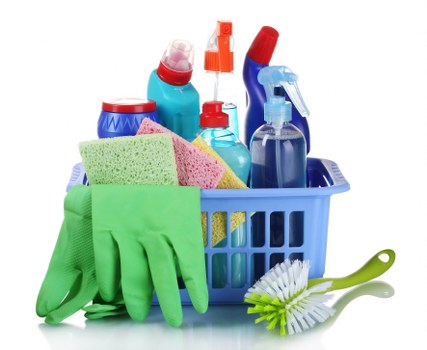
Microfiber cloths are also helpful because they allow controlled blotting without leaving behind excessive lint. For spot treatment, you may need a mild cleaner suitable for upholstery, baking soda, an enzyme cleaner for biological stains, and a small spray bottle for diluted solutions. Using gentle products is usually the safest route for mattress cleaning.
If you prefer a more advanced approach, a steam cleaner may be appropriate for certain mattress types, but only if the manufacturer allows it. Steam can help with sanitizing, yet it also introduces moisture that must be removed carefully. Always check care instructions before using any heat-based mattress cleaning method.
Useful Cleaning Supplies
- Upholstery vacuum attachment
- Microfiber cloths
- Mild liquid soap
- Baking soda
- Enzyme cleaner for organic stains
- Spray bottle with water
- Fan for drying
- Mattress protector for prevention
When to Use Professional Mattress Cleaning
Some situations call for expert help. If the mattress has deep staining, persistent odor, signs of mold, or significant allergen buildup, professional mattress cleaning may be the best solution. Specialists have equipment and methods that can clean more deeply than typical home tools.
Professional services can also be helpful for delicate materials. Memory foam, latex, pillow-top designs, and specialty hybrid beds may require careful handling. If you are unsure about the cleaning method, seeking professional mattress cleaning can prevent costly mistakes.
Book your service now if you want a cleaner sleep environment without the guesswork of trial-and-error cleaning.