Stain Removal in Everyday Spaces: Practical Methods, Smart Prevention, and Lasting Results
Stain removal is one of those household topics that never goes out of style. Whether you are dealing with coffee on a shirt, red wine on upholstery, grease on a kitchen surface, or mud tracked across a hallway rug, the right stain removal approach can save time, money, and stress. The key is to act quickly, understand the stain, and choose the right method for the surface. When done well, stain removal does more than restore appearance; it helps preserve fabric quality, protect flooring, and keep your home feeling fresh.
Many people assume that all stains should be treated the same way, but effective stain removal depends on several factors: the material, the age of the mark, the source of the stain, and whether the surface is washable or delicate. A strong cleaning solution that works on a cotton tablecloth may damage wool, silk, wood, or stone. That is why the best stain removal results come from a thoughtful process rather than a rushed one.
In this article, we will explore stain removal methods for clothing, carpets, upholstery, hard surfaces, and more. You will also learn how to prevent stains from setting, which household ingredients are useful, and when professional help may be worth considering. If you want practical stain removal strategies that are easy to apply and search-friendly for real-world needs, this article is designed for you.
Why Stain Removal Matters in the Home

Stain removal is more than a cosmetic concern. A visible stain can make a clean room look untidy, but some stains can also weaken fibers, leave odors behind, or damage finishes if they are ignored for too long. In households with children, pets, or busy cooking routines, stain removal becomes part of everyday care. The sooner you respond, the better the chance of removing the mark completely.
Another reason stain removal matters is cost control. Replacing clothing, rugs, or furniture can be expensive, while proper cleaning often restores the item for far less. Good stain removal habits also help reduce waste because fewer items need to be thrown away. That makes stain removal both practical and economical.
Smart stain removal is about speed, surface awareness, and using the least aggressive method first. This approach protects delicate materials and prevents accidental damage. It also helps avoid the common mistake of over-scrubbing, which can spread the stain or push it deeper into fibers.
Understanding Different Types of Stains

Before starting stain removal, it helps to identify what kind of stain you are dealing with. Different stains respond to different cleaning methods. A protein-based stain, such as blood or dairy, often needs cool water and gentle treatment. An oil-based stain, such as makeup or salad dressing, may require a degreasing agent. Tannin stains, such as tea, coffee, or wine, often respond well to prompt blotting and targeted solutions.
Here are some common stain categories:
- Protein stains: blood, egg, milk, sweat
- Oil-based stains: grease, cosmetics, lotion, cooking oil
- Tannin stains: coffee, tea, wine, fruit juice
- Dye stains: ink, markers, colored drinks
- Organic stains: mud, grass, food residue
Knowing the stain category helps you choose the best stain removal method without wasting time. For example, hot water may set a protein stain, while a mild detergent may be enough for a light food mark. The more you understand the stain, the better your chances of a clean result.
Stain Removal on Clothing
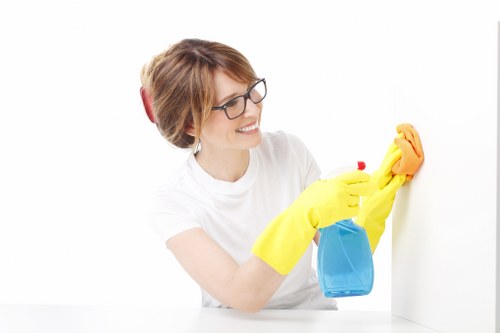
Clothing is one of the most common places where stain removal is needed. Shirts, pants, dresses, and uniforms all encounter spills and marks in normal life. When treating clothing, the first rule is to blot, not rub. Rubbing can spread the stain and push it deeper into the fabric weave.
For fresh stains, use a clean cloth or paper towel to lift as much of the substance as possible. Then treat the area according to the fabric and stain type. Cotton and polyester blends generally tolerate a wider range of cleaning methods, while silk, wool, and linen require more caution. Always check the care label before beginning stain removal.
Helpful clothing stain removal steps include:
- Remove excess material gently without pressing it further into the fibers.
- Test a cleaning solution on an inconspicuous area first.
- Apply cold water for many food and protein stains.
- Use a small amount of liquid detergent or stain remover.
- Wash according to the garment care instructions.
For stubborn stains, repeat the process before drying the garment. Heat from a dryer can set the stain permanently, making later stain removal far more difficult. If the mark remains after washing, air-dry and try again rather than exposing it to high heat.
Ink stains often need alcohol-based treatment, while grease stains may respond to dish soap or a pre-treatment spray. The exact stain removal method depends on the stain source, so patience is important. A careful approach usually produces better results than a harsh one.
How to Handle Carpet and Rug Stains

Carpet and rug stain removal requires a gentle touch because flooring fibers can trap liquid deep below the surface. First, blot up as much of the spill as possible with a dry cloth. Avoid saturating the carpet, since too much water can spread the stain and create odor or mildew problems. Good stain removal for carpets often depends on controlled moisture and immediate action.
For many stains, a solution of mild dish soap and water works well. Apply the mixture sparingly, then blot with a clean cloth. Continue until the stain begins to lift. For coffee, tea, or wine spills, plain water followed by a mild vinegar solution may help, though you should always test a hidden section first. Never assume one carpet stain removal technique fits every fiber type.
Useful carpet stain removal tips include:
- Work from the outer edge of the stain toward the center.
- Blot in stages rather than scrubbing aggressively.
- Use clean towels to avoid transferring dirt back onto the carpet.
- Let the area dry completely before walking on it.
For tougher stains such as pet accidents, mud, or dye, specialized products may be necessary. In some cases, professional stain removal services can help restore heavily soiled carpet without damaging the backing or fibers. That can be especially helpful for large-area stains or antique rugs.
Stain Removal for Upholstery and Furniture
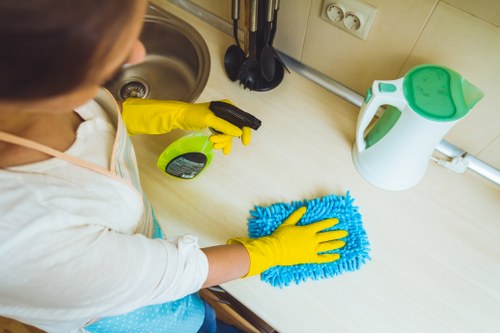
Upholstery stain removal can be tricky because furniture fabrics vary widely in texture, colorfastness, and cleaning tolerance. Sofas, chairs, and cushions often absorb spills quickly, so response time matters. Always check the manufacturer’s cleaning code if available. It may indicate whether the fabric can be cleaned with water-based solutions, solvent-based solutions, or only professional methods.
For light upholstery stains, start by blotting the area and using a small amount of fabric-safe cleaner. Avoid over-wetting the fabric, because moisture can affect padding underneath and leave a water ring. For delicate materials, a dry cleaning method may be the safest stain removal option. When in doubt, less is more.
Common upholstery stain removal situations include food spills, pet stains, ink marks, and drink accidents. In each case, the goal is to lift the stain without changing the fabric texture or color. A soft brush can sometimes help, but use it carefully and only when the cleaning product recommends it.
Stain removal for furniture is most effective when you:
- Act quickly before the stain dries.
- Use products approved for the fabric type.
- Blot instead of rubbing or scrubbing.
- Allow full drying between treatment attempts.
Good upholstery stain removal can extend the life of sofas and chairs, keeping them attractive and comfortable for years. It can also help maintain a cleaner indoor environment by reducing residue and odor buildup.
Household Ingredients That Support Stain Removal
Some of the most useful stain removal helpers are already in your kitchen or laundry room. Baking soda, white vinegar, dish soap, hydrogen peroxide, and salt are often used in practical cleaning routines. However, just because an ingredient is common does not mean it works for everything. Effective stain removal still depends on the type of stain and the surface involved.
Baking soda is useful for absorbing odors and loosening residue. White vinegar can help with some tannin stains and general grime. Dish soap is a popular choice for grease and oil stains because it breaks down fats. Hydrogen peroxide may help with certain organic stains, but it should be tested carefully because it can lighten some fabrics. Always spot-test before full application.
Here is a simple comparison of common stain removal ingredients:
- Baking soda: odor control, mild lifting action
- White vinegar: tea, coffee, some hard-water residue
- Dish soap: oil, grease, sauce
- Hydrogen peroxide: organic marks, light discoloration
- Salt: helps absorb fresh spills in some situations
While these ingredients can be helpful, they are not universal fixes. Some surfaces, such as natural stone, wool, and untreated wood, may react badly to acidic or alkaline cleaners. Good stain removal means matching the tool to the task, not using the strongest solution available.
A cautious, methodical process tends to produce better results than experimenting randomly. If a stain does not respond after one or two careful treatments, it may be time to consider a specialist cleaning method.
Stain Removal on Hard Surfaces
Hard surfaces such as countertops, tile, sinks, and sealed floors usually allow easier stain removal than fabric surfaces, but they still require the right technique. Some materials are porous, some are sealed, and some are sensitive to acids or abrasives. For example, granite and marble can be damaged by vinegar or lemon juice, while ceramic tile may tolerate stronger cleaners.
Start by wiping away loose debris. Then use a gentle cleaner suited to the material. For grease on sealed surfaces, a mild soap solution often works well. For mineral buildup or light discoloration, a surface-appropriate cleaner may be necessary. If the stain is on natural stone, use only pH-neutral products recommended for that material.
Hard surface stain removal often involves these steps:
- Remove dust, crumbs, or residue first.
- Apply the mildest suitable cleaning solution.
- Let it sit briefly if needed.
- Wipe with a soft microfiber cloth.
- Rinse or dry to prevent streaks.
Tip: For stubborn marks on tile grout, a soft brush and safe cleaner can improve results. For countertops, avoiding abrasive pads is essential because scratches can make future stain removal harder.
Common Mistakes to Avoid During Stain Removal
Even well-intentioned cleaning can go wrong. One of the biggest stain removal mistakes is waiting too long. Fresh stains are always easier to lift than dried ones. Another common error is using too much water, which can spread the stain or damage the material underneath. In stain removal, more liquid does not automatically mean better cleaning.
Rubbing too hard is another problem. It can fray fibers, dull finishes, and embed the stain deeper. People also sometimes mix too many cleaning products at once, which can create unwanted reactions or leave residue behind. A better approach is to use one method at a time and evaluate the result before trying something else.
Avoid these stain removal mistakes:
- Using hot water on protein stains too early
- Scrubbing aggressively
- Skipping spot tests on delicate materials
- Putting stained clothing in the dryer before checking the result
- Using harsh cleaners on sensitive surfaces
Another overlooked issue is ignoring the care instructions for the item or surface. Fabric care labels, upholstery codes, and surface maintenance recommendations are there for a reason. Following them can make stain removal safer and more successful.
Preventing Stains Before They Start
The best stain removal strategy is often prevention. Protective habits reduce the number of accidents you need to clean up later. Simple routines, such as using placemats, wiping spills immediately, applying fabric protectants where appropriate, and keeping cleaning cloths nearby, can make a major difference.
In kitchens and dining areas, coasters and table covers help prevent rings and spills from becoming long-term stains. In entryways, mats reduce the amount of dirt and mud brought inside. In bedrooms and living rooms, washable slipcovers and stain-resistant fabrics can make stain removal faster and less stressful.
Practical stain prevention ideas include:
- Keep paper towels or microfiber cloths within reach
- Use washable throws on frequently used furniture
- Address spills immediately
- Protect surfaces from heat, moisture, and dye transfer
- Choose materials designed for easier stain removal
Preventive care does not eliminate stain removal entirely, but it makes life easier. A few small habits can save hours of cleaning and extend the lifespan of clothing, upholstery, flooring, and decor.
When Professional Stain Removal Makes Sense
Sometimes DIY stain removal is not enough. Large stains, delicate fabrics, antique rugs, expensive upholstery, and deeply set discoloration may need professional attention. Professional cleaners have specialized products, equipment, and experience that can improve the chances of restoring an item safely. They can also address odor, residue, and hidden contamination that household methods may miss.
Professional stain removal may be worth considering when:
- The stain has already set and survived multiple cleaning attempts
- The material is delicate or high value
- The item is too large to clean effectively at home
- The stain involves pet accidents, dye, or unknown substances
- There is a risk of damage from trial-and-error cleaning
Choosing professional stain removal does not mean you have failed. It simply means the stain requires a different level of care. In many cases, early professional treatment can preserve the item and prevent further damage.
Book your service now if you are dealing with a stubborn stain that is affecting the appearance, comfort, or value of an important item. Sometimes the most efficient solution is expert help.
Seasonal and Lifestyle Stain Challenges
Stain removal needs often change with the season and your daily routine. Summer can bring grass stains, sunscreen marks, and barbecue sauces. Winter often means salt residue, mud, and heavy indoor cooking spills. Parents may deal with juice, marker, and food stains more often, while pet owners may face fur, paw prints, and occasional accidents. Each lifestyle creates a different pattern of stain removal needs.
Planning ahead can help. Keep a small stain removal kit in the laundry room, kitchen, or car so you can treat spills quickly. That kit might include microfiber cloths, a mild detergent, a soft brush, and fabric-safe stain remover. With the right tools nearby, stain removal becomes part of your routine rather than a stressful emergency.
For busy households, consistency matters. The more often you respond to spills early, the fewer deep-cleaning sessions you will need later. Over time, a reliable stain removal routine can protect your belongings and reduce frustration.
Quick seasonal stain removal reminders:
- Summer: treat grass and sunscreen marks promptly
- Fall: address mud and leaf residue before it dries
- Winter: remove salt stains and food spills quickly
- Spring: refresh fabrics after damp weather and pollen exposure
Final Thoughts on Effective Stain Removal
Stain removal is a skill that combines quick action, surface awareness, and the right cleaning approach. Whether you are working on a shirt, a sofa, a rug, or a countertop, the goal is always the same: lift the stain without damaging the item. When you understand stain types, avoid common mistakes, and use appropriate products, stain removal becomes much more manageable.
Consistency is just as important as technique. The more prepared you are, the easier it is to respond before a stain becomes permanent. A thoughtful stain removal routine also helps protect the value and appearance of the things you use every day. From minor spills to stubborn marks, the right approach can make a noticeable difference.
If you are ready to improve your cleaning routine and keep your home looking its best, start with the simplest steps first: blot early, test carefully, and choose the mildest effective method. For difficult stains or sensitive materials, contact us today and take the next step toward a cleaner, fresher space.
Stain removal works best when speed, patience, and the right method come together. With those three elements in mind, you can handle most everyday spills confidently and keep your home, fabrics, and furniture looking their best.