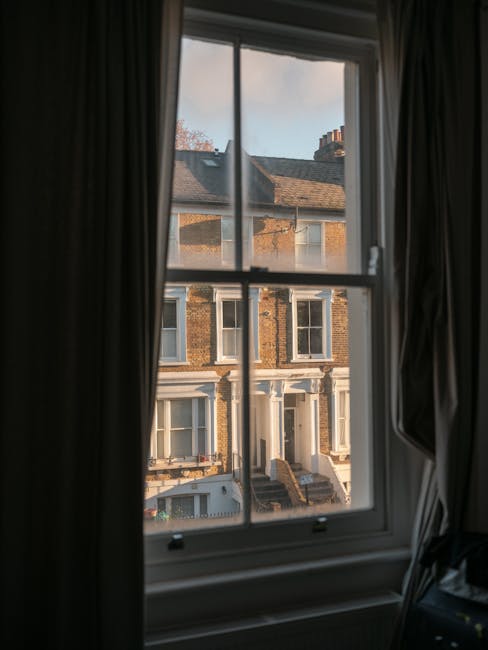
Streatham SW16 end of tenancy cleaning success story
If you are moving out in Streatham SW16, there is a good chance you are trying to juggle boxes, keys, emails, and one last deep clean that suddenly feels far bigger than expected. That is exactly where a Streatham SW16 end of tenancy cleaning success story becomes useful: not as a fluffy case study, but as a real-world guide to what actually helps tenants leave a property in strong condition and avoid needless stress at the end. Truth be told, the difference between a rushed clean and a proper end of tenancy clean can be the difference between a smooth checkout and a long, annoying back-and-forth.
This article breaks down how the process works, what good results usually look like, which details landlords and letting agents tend to notice first, and how to plan the clean so you are not scrubbing skirting boards at 10 p.m. the night before handover. You will also find practical tips, a clear checklist, and a realistic example of how a well-handled move-out clean can turn a stressful situation into a tidy finish.
Table of Contents
- Why Streatham SW16 end of tenancy cleaning success story Matters
- How Streatham SW16 end of tenancy cleaning success story Works
- Key Benefits and Practical Advantages
- Who This Is For and When It Makes Sense
- Step-by-Step Guidance
- Expert Tips for Better Results
- Common Mistakes to Avoid
- Tools, Resources and Recommendations
- Law, Compliance, Standards, or Best Practice
- Options, Methods, or Comparison Table
- Case Study or Real-World Example
- Practical Checklist
- Conclusion
- Frequently Asked Questions
Why Streatham SW16 end of tenancy cleaning success story Matters
End of tenancy cleaning matters because the final impression of a rental property is often formed in minutes, not hours. In Streatham SW16, where rental homes range from compact flats to family-sized maisonettes and period conversions, the end-of-tenancy standard can vary a little, but expectations are usually high. The goal is not simply to make things look decent. It is to make the property feel properly looked after.
A success story in this context is not about perfection for its own sake. It is about meeting the condition the landlord or letting agent expects at checkout, while avoiding the common traps: missed limescale, greasy kitchen surfaces, marks around switches, dusty vents, and carpets that look clean until daylight hits them. Let's face it, daylight is ruthless. It shows everything.
For tenants, that matters because deposit deductions can easily happen over issues that felt small during the move-out rush. For landlords and agents, it matters because a clean property photographs better, re-letings move faster, and maintenance issues become easier to spot. A proper clean can even reveal hidden problems like leaks, stains, or damaged seals before they become bigger headaches.
Expert summary: A successful end of tenancy clean is less about "making it smell nice" and more about restoring the home to a clear, consistent, inspection-ready condition.
That is the heart of the Streatham SW16 end of tenancy cleaning success story: the property gets handed back in a state that feels fair, complete, and ready for the next person. Simple, really. Not always easy, but simple.
How Streatham SW16 end of tenancy cleaning success story Works
End of tenancy cleaning works best when it is treated as a structured process rather than a panic-clean. Most good results come from breaking the job into zones and working from top to bottom, dry to wet, and clean to dirty. That approach prevents the classic problem of cleaning one area only to have dust or residue fall back onto it later.
In practical terms, a thorough move-out clean usually covers kitchens, bathrooms, bedrooms, living spaces, hallways, and any cupboards, fixtures, and fittings included in the tenancy. Depending on the property, it may also include carpet cleaning, upholstery refreshes, mattress attention, or specialist stain treatment. If there are carpets or soft furnishings that have picked up everyday wear, services such as steam carpet cleaning and upholstery cleaning can make a noticeable difference to the overall finish.
The work usually starts with clutter removal and surface dusting. Then the focus moves to deeper tasks: degreasing, descaling, scrubbing grout lines, cleaning behind appliances, wiping internal cupboards, and treating any visible marks or odours. In a success story, the cleaner does not just skim the obvious areas. They find the places that often get ignored until checkout day. Under radiators, along edges, around taps, inside oven doors, and on the backs of doors. Those little places matter more than people think.
What makes the result feel successful is consistency. A properly cleaned flat should not have one sparkling room and three half-done ones. It should feel coherent. Fresh. Finished. You can usually sense that within the first few minutes of walking in.
Key Benefits and Practical Advantages
There are several practical reasons tenants and landlords take end of tenancy cleaning seriously.
- Better deposit protection: Cleanliness disputes are one of the easiest things to avoid when the property is left in strong condition.
- Better inspection outcomes: Agents tend to judge quickly, and a clean property reduces the chance of negative comments at checkout.
- Less last-minute stress: A planned clean is far easier than trying to tidy a whole property the night before move-out.
- More accurate handover: Clean rooms make it easier to spot damage, missing items, or maintenance issues.
- Improved presentation: If the property is being re-marketed, a clean interior simply looks better in person and in photos.
There is also a quieter benefit: peace of mind. Moving is noisy, tiring work. Lifting, sorting, calling utilities, checking keys, chasing removals, trying not to lose the tape gun - it all piles up. When the cleaning is properly handled, one major part of the move starts to feel under control. That mental shift matters more than people admit.
For properties with tired carpets or stubborn spill marks, a specialist clean can be a sensible add-on. Services like carpet cleaning, stain removal, and pet stain odour removal often help with the details that regular vacuuming cannot fix.
Who This Is For and When It Makes Sense
End of tenancy cleaning is for anyone handing back a rental property and wanting a fair, clean finish. That includes tenants leaving a flat after a short let, long-term renters who have accumulated everyday wear, sharers moving out in stages, and landlords preparing a property for new occupants. It is also useful for agents managing turnover between tenancies.
It makes the most sense when the property has signs of lived-in use that a normal weekly clean will not solve. Think soap scum, kitchen grease, grubby skirting boards, carpet traffic lanes, dusty window ledges, and soft furnishings that have taken on general household odour. In a family home, you will often find this around high-touch zones: handles, switches, chair backs, stair rails, and the corners nobody notices until the room is almost empty.
It is also worth considering if the tenancy agreement expects a professional standard. Many agreements refer to the property being left in a condition consistent with the original inventory, taking fair wear and tear into account. That can sound a bit formal, but in everyday terms it means: do the job properly and do not leave avoidable mess behind.
If the home includes a sofa, curtains, rugs, or mattresses that need attention, targeted cleaning can help complete the picture. Useful options may include sofa cleaning, curtain cleaning, rug cleaning, and mattress cleaning.
Step-by-Step Guidance
Here is a practical way to approach a Streatham SW16 move-out clean without getting overwhelmed.
- Check the inventory and tenancy notes. Look at the condition the property was in when you moved in. This helps you focus on what needs restoring, not what simply looks a bit lived-in.
- Declutter first. Remove boxes, bin bags, personal items, and anything that blocks access to cupboards, corners, or appliances.
- Work room by room. Do not bounce around the property. Finish one space, then move on. It sounds obvious, but it saves so much time.
- Start high and finish low. Dust shelves, tops of frames, and light fittings before doing skirting boards and floors.
- Tackle the kitchen carefully. Clean the oven, hob, extractor hood, splashback, inside cupboards, fridge shelves, and sink. Kitchen grease is stubborn, and it loves edges for some reason.
- Deep clean bathrooms. Descale taps, shower screens, tiles, and toilet fittings. Check sealant lines and corners. That's where grime hides.
- Address carpets and upholstery. Vacuum thoroughly, treat marks, and if needed arrange specialist cleaning for traffic areas or pet-related odours.
- Do a final inspection in daylight. Natural light exposes missed dust, streaks, and smears better than overhead lighting ever will.
If you are hiring help, the cleaner should be told exactly what the property includes and where the problem areas are. A good brief saves time and improves results. A vague brief? That usually leads to awkward surprises. Nobody wants that.
Expert Tips for Better Results
Experience teaches a few things that make a clean look far better with no extra drama.
- Open windows while cleaning where possible, especially in bathrooms and kitchens, so moisture and cleaning odours do not hang around.
- Use the right cloth for the right job. Microfibre is excellent for dust and shine, while tougher pads are better for stubborn kitchen build-up.
- Do not over-wet carpets or upholstery. Excess moisture can leave marks or slow drying, which is not ideal right before handover.
- Photograph the finished rooms. It is a sensible record in case there is a disagreement later.
- Give extra time to the kitchen and bathroom. Those are usually the deciding rooms in an inspection.
One small but useful trick: clean handles, switches, and door tops at the end, not the beginning. Those are touched all the time during the clean itself, so doing them last keeps the finish crisp. A bit fussy? Maybe. But it works.
For stubborn marks on hard surfaces or fabric, using a dedicated stain removal service can be the cleaner answer than scrubbing blindly and making the area look patchy.
Common Mistakes to Avoid
Many end of tenancy cleans go wrong for very ordinary reasons. Not because people are careless, but because move-out day is messy and time pressure changes everything.
- Leaving the clean too late: If you leave it for the final evening, there is almost always a rush, and rushes create missed spots.
- Cleaning around clutter: You cannot properly clean the back of a shelf if boxes are still in the room.
- Ignoring small marks: A few scuffs on a wall or a greasy oven handle can have more impact than you expect.
- Forgetting appliances: Fridge seals, microwave interiors, washer drawers, and dishwasher filters are classic overlooked areas.
- Assuming vacuuming is enough: It is not, especially if carpets have traffic marks or pet odours.
A more subtle mistake is trying to make everything perfect while ignoring the tenancy agreement. The goal is not always a showroom finish. It is a fair, thorough, inspection-ready standard. That distinction matters. A lot, actually.
Tools, Resources and Recommendations
You do not need a giant toolkit, but you do need the right basics. A sensible end of tenancy clean usually starts with:
- good vacuum cleaner with crevice tools
- microfibre cloths
- non-abrasive sponges
- degreaser for kitchen surfaces
- limescale remover for taps and shower areas
- glass and mirror cleaner
- bucket, mop, and floor cleaner suited to the surface
- rubber gloves and a small detailing brush for corners and grout lines
For bigger properties or homes with heavy wear, a professional service can be more practical than buying more products and hoping for the best. If you are comparing options, take a look at pricing and quotes so you can judge what makes sense for your property size and cleaning needs.
When carpets are part of the tenancy, steam extraction can be especially useful for general refreshes and embedded dirt. It is not magic. But it can be a very solid piece of the puzzle when used properly. Likewise, soft furnishing cleaning can bring a tired room back into balance faster than people expect.
Law, Compliance, Standards, or Best Practice
While this article is not legal advice, there are a few UK rental best-practice points worth keeping in mind. Tenancy agreements commonly expect the property to be returned in a clean condition, subject to fair wear and tear. What counts as "clean" will depend on the state recorded in the inventory, the length of the tenancy, and the type of use the property has had.
Good record-keeping is part of best practice. Inventory photos, move-in notes, and final clean photos can all help if there is any disagreement. In a practical sense, the more evidence you have of the condition before and after, the easier the handover usually goes.
Safety also matters. Cleaning chemicals should be used carefully, ideally with ventilation, gloves, and sensible product mixing habits. Never mix products unless the label explicitly says it is safe. That sounds obvious, but it is worth repeating because impatient cleaning and bad product combinations are a poor mix.
For service providers, trust also comes from how they handle service quality, customer care, and safety procedures. If you want to understand the business side a bit more, the company's about us, health and safety policy, and insurance and safety pages are useful reading before booking. For payment reassurance, the payment and security information can also help.
Options, Methods, or Comparison Table
Different move-out situations call for different approaches. Here is a simple comparison to help you decide.
| Option | Best for | Strengths | Limitations |
|---|---|---|---|
| DIY end of tenancy cleaning | Small properties, light wear, tight budgets | Lower upfront cost, full control, flexible timing | Time-consuming, easy to miss detail, tiring during a move |
| Hybrid approach | Busy tenants who can do some work but need help with key areas | Balances cost and effort, useful for kitchens, bathrooms, carpets | Needs coordination and clear scope |
| Professional end of tenancy cleaning | Full property turnaround, heavier wear, short deadlines | More thorough, less stress, better for hard-to-reach areas | Higher cost than DIY, requires booking ahead |
In practice, many Streatham tenants use a hybrid approach without even naming it that. They deal with personal items and light surface cleaning, then bring in help for the heavy work. That is often the sweet spot if time is tight and the property has a few stubborn problem areas.
Case Study or Real-World Example
Here is a realistic move-out scenario from a Streatham SW16 flat. Nothing dramatic. Just a very normal rental with two bedrooms, a busy hallway, a kitchen that had seen years of weekday cooking, and carpets that looked fine from a distance but showed traffic marks in the daylight.
The tenants had packed early and separated the job into two parts: personal tidying one day, deep cleaning the next. That was already a win. They cleared the property completely, then focused on the hardest rooms first. The kitchen got the full treatment: hob, extractor hood, cupboard fronts, sink, tiles, and the fridge seals. The bathroom needed extra attention around the taps and shower screen, where limescale had built up gradually. The living room had marks on the carpet and a faint smell from long-term use of soft furnishings.
Rather than trying to do everything with basic household products, they arranged targeted help for the problem areas, including carpet and upholstery work. The result was not just cleaner surfaces. The rooms felt fresher, more open, and easier to inspect. The biggest relief came at checkout: there were no awkward surprises, no emergency re-clean requests, and no circular debate over whether the property was left in a fair condition.
That is what a Streatham SW16 end of tenancy cleaning success story usually looks like in the real world. Not glamorous. Just efficient, calm, and complete. Which, to be fair, is exactly what most people want at the end of a tenancy.
Practical Checklist
Use this checklist to keep the process manageable.
- Remove all personal items and waste
- Check the tenancy agreement and inventory notes
- Clean kitchen appliances inside and out
- Descale taps, shower areas, and bathroom fittings
- Wipe skirting boards, switches, doors, and handles
- Vacuum all floors, edges, and under furniture
- Treat visible stains on carpets, rugs, or upholstery
- Clean windows, mirrors, and glass surfaces
- Air rooms well before final inspection
- Take photos of the finished property
Quick note: if you are running short on time, prioritise the kitchen, bathroom, and floors. Those areas usually carry the most weight in a final inspection.
Get a free quote today and see how much you can save.
Conclusion
A good Streatham SW16 end of tenancy cleaning success story is rarely about one heroic last-minute effort. It is usually about planning, focus, and knowing which areas matter most. Clean kitchens, clear bathrooms, fresh carpets, and properly finished surfaces create confidence at checkout and reduce the chance of avoidable disputes.
If you are moving soon, the smartest approach is to stop thinking of the clean as one giant task and start treating it as a sequence of smaller wins. That shift alone can make the whole move feel lighter. And when the final room is done and the keys are ready, it is a very satisfying feeling indeed.
For a deeper look at how specialist services can support the move-out process, you may also find it helpful to review the company's pages on recycling and sustainability, terms and conditions, and contact us before making your next step. Small details, yes. But they matter.
Move out well, and the whole ending feels a bit easier. That is the real win.
Frequently Asked Questions
What is end of tenancy cleaning in Streatham SW16?
It is a deep clean carried out when a tenant is moving out, aimed at leaving the property in a condition suitable for inspection and handover. It usually covers the kitchen, bathroom, floors, surfaces, and any fixtures or fittings included in the tenancy.
Why does end of tenancy cleaning matter so much?
Because it directly affects the final impression of the property. A thorough clean reduces the chance of avoidable deposit deductions and makes it easier for landlords or agents to approve the checkout.
How far in advance should I book a move-out clean?
As early as you can, especially if your move date is fixed and you need carpets, upholstery, or specialist stain treatment included. Leaving it too late tends to create pressure and less flexibility.
Can I do end of tenancy cleaning myself?
Yes, you can. Many tenants do. The key is to be realistic about the time involved and the standard expected. DIY can work well for smaller or lightly used properties, but heavier wear usually needs more time or professional help.
What rooms matter most during an end of tenancy inspection?
Kitchens and bathrooms usually matter most because they show grease, limescale, and wear very quickly. Floors also matter, especially if carpets or hard flooring have visible marks or debris.
Do carpets need professional cleaning at the end of a tenancy?
Not always, but it is often helpful when there are traffic marks, stains, pet odours, or general wear. Services like steam cleaning can refresh carpets more effectively than vacuuming alone.
What happens if I miss small details like switches or skirting boards?
Those details can influence the overall impression of the clean. They may not be the biggest issue on their own, but when combined with other missed areas they can make a property feel only half-finished.
Are upholstery and curtain cleaning worth doing before checkout?
They can be, especially if the furnishings are included in the tenancy or if they noticeably hold odours, dust, or marks. A fresh sofa or cleaner curtains can change the feel of a room quite a bit.
How do I know if my property needs stain removal service?
If a mark does not lift with normal cleaning, or if the fabric or carpet has a lingering visible stain, specialist stain removal may be the safer option. Trying too hard with the wrong product can make the problem worse.
What should I check before the final handover?
Do a daylight walkthrough, check cupboards, appliances, edges, and hidden corners, then compare the result against your inventory notes. If anything looks off, fix it before the keys are returned.
What is the difference between regular cleaning and end of tenancy cleaning?
Regular cleaning maintains a lived-in home. End of tenancy cleaning is deeper and more detailed, aiming to restore the property to a handover-ready standard. It is usually more intensive and more thorough.
How can I make the process less stressful?
Start early, clean room by room, and deal with the hardest tasks first. If the property is large or time is tight, get help with the specialist areas so you are not carrying the whole thing on your own. A little structure goes a long way.